 Cannabis is always a very controversial topic. Some of us have tried it, most of us haven’t. Some of us regard it as innocent, many of us regard it as a dangerous drug. In Bulgaria, marijuana is illegal and I’ve been told the justice system here doesn’t make a distinction between hard and soft drugs, so marijuana is essentially treated as a hard drug. Even though this is the case, a lot more young people I know here regularly smoke weed or have tried it than the young people I know in Holland.
While doing research for a presentation on The Netherlands – Drugs, Prostitution and Same-Sex Marriage, I already discovered that in the United States about 35% of all people have smoked marijuana at some point in their lives, whereas in the Netherlands it was around 19%. Makes one think about whether the policies of banning cannabis are effective… Whether you smoke it or not.
In some areas of Bulgaria, particularly the south-west near the Greek and Macedonian borders I’ve been told, there are entire villages of farmers that rely on cannabis harvests for their daily bread. Supposedly the entrance road to the village is protected by mafia who most likely have deals with the police to keep them away – although in recent years there have been a few busts in these villages, such as in Gabrene, where 1600kg of cannabis was found. One look at the news articles shows that it’s just simple villagers between 50 and 70 years old who are doing this, even a 63 year old priest was caught.
Bulgaria is the poorest nation in the EU and these people are doing what they have to do to survive. The people allegedly pretend to be growing crops and herbs and if you tell them it’s weed they will go “Oh really? What’s that?” It’s right in the center of their normal crops, like corn.
Another problem is that organised crime buys the cannabis from the farmers for low prices and sells it in the cities for much higher prices, so every time someone consumes cannabis (which is more innocent than alcohol), they make the mafia money and help them strengthen their grip on Bulgarian society.
Photo by elrentaplats, shared under a Creative Common license.
BasBasBas.com is about my life abroad. I regularly write about my adventures in Istanbul, Bulgaria and travels in the region, but like to ponder about the future also. If you’d like to stay up to date, you can subscribe to my RSS feed or get email updates in your inbox. You can also follow me on Twitter.
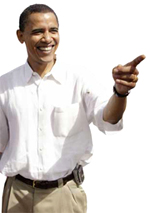
 the Kurdish insurgency in the Iraqi border area, support the EU’s membership bid and put pressure on European politicians, and support Turkey in its process of becoming a modern, democratic country. It’s not expected that Obama will aid Turkey’s military efforts or put significant pressure on the EU to get them to admit Turkey.